
Selection, Number, and Work: The Camp Machine
The Tattooist of AuschwitzThis main thread follows the bureaucratic systems of selection, tattooing, and labor that determine who lives and who dies at Auschwitz-Birkenau.
increasing Bearing strength in each event
 decreasing
Bearing strength in each eventdecreasingArrival Processing
Arrival Processing
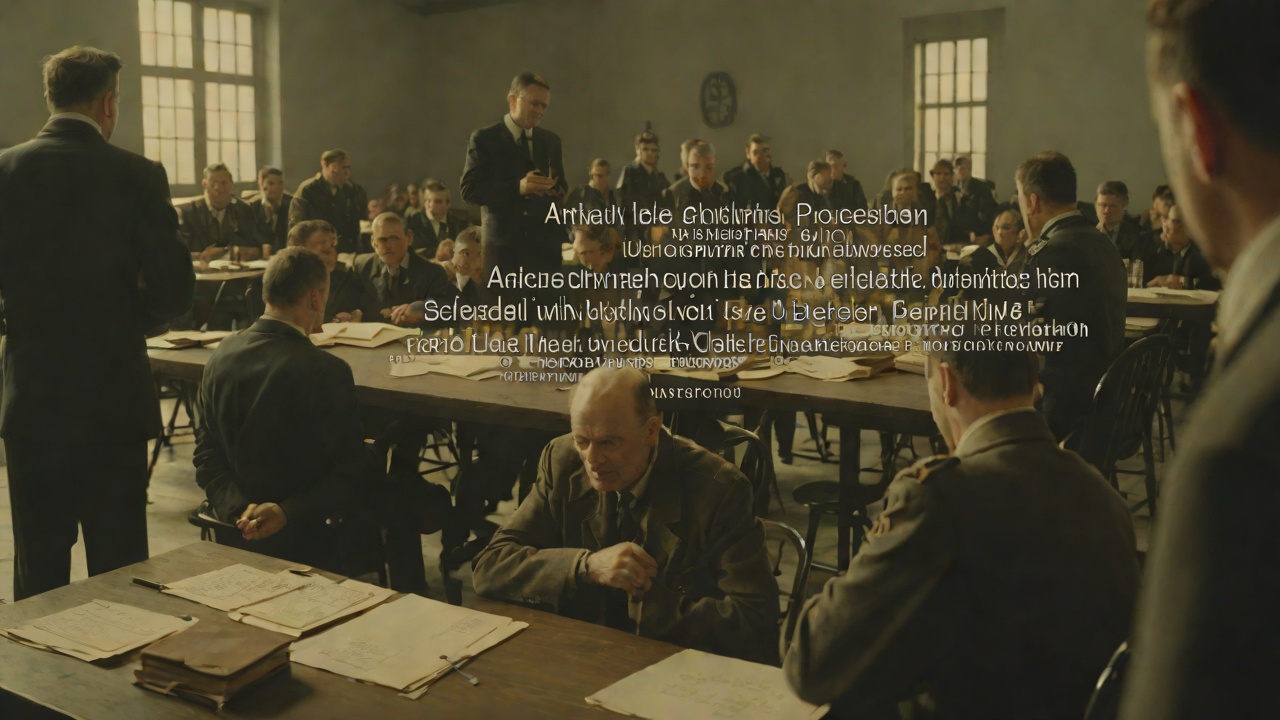
Lale Sokolov joins a line of newcomers in front of a small table where a prisoner writes names and addresses. He receives a paper with the number 32407 and is then shoved toward the tattooists.
The Paper Process
The processing is bureaucratic and brutal: name, address, occupation, parents' names. The inmate at the table never raises his head, and SS officers stand ready with rifles.
A System of Dehumanization
The camp machine reduces each person to a number and a work assignment. Lale's first experience with selection teaches him that the system is designed to break identity before it breaks the body.
Z-Prefixed Transports
Z-Prefixed Transports
Lale Sokolov collects his daily instructions from Bella at the administration office. She tells him that every number that day must be preceded by the letter Z, though she knows nothing about what the letter means.
The Gypsy Transport
Baretski reveals that the Z numbers are for Roma families being moved into Birkenau. Children and the elderly stand in the same line for numbering, making Lale's work even more painful.
The Labels Grow
The Z prefix is another administrative marker in the Nazi system of classification. Lale realizes that each new category brings another group into the machinery.
Mengele's Selections
Mengele's Selections
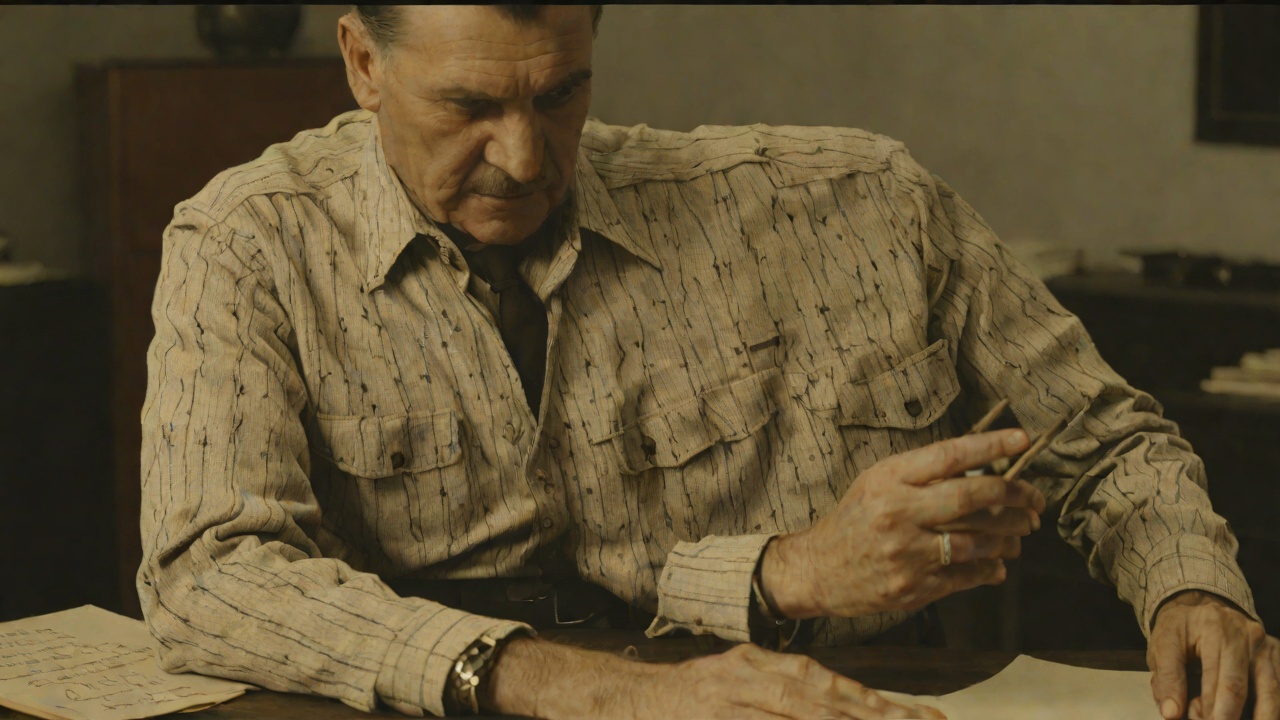
Josef Mengele arrives at the tattoo station whistling an opera tune. He inspects Lale Sokolov's work, moves on, and stops at the selection line where he decides the fate of young women with a flick of his hand.
The Doctor's Power
Mengele's presence terrifies the prisoners and the SS alike. Lale learns his name from Stefan Baretski and understands that this doctor does not heal; he chooses victims.
A New Kind of Terror
Mengele's whims add another layer of unpredictability to the camp machine. His white coat and dead eyes embody the terrifying union of medicine and murder.
Block 10 Selection
Block 10 Selection
Lale Sokolov is ordered to Block 10, where Josef Mengele conducts examinations of young women. He sees a fenced yard holding naked, silent girls who have been rejected, and then Mengele tells him to number the ones he is keeping.
The Hospital of Horrors
Mengele strokes a girl's hair and tells her she is safe, before waving her toward the tattoo table. The room smells sour, and the prisoners move like broken marionettes. Lale's hands shake as he sets up his tools.
'One Day Soon'
Before releasing Lale, Mengele says, 'One day soon, Tätowierer, I will take you.' The threat turns the camp machine personal and makes Lale realize that no position of privilege protects him from the doctor's power.
Red Cross Deception
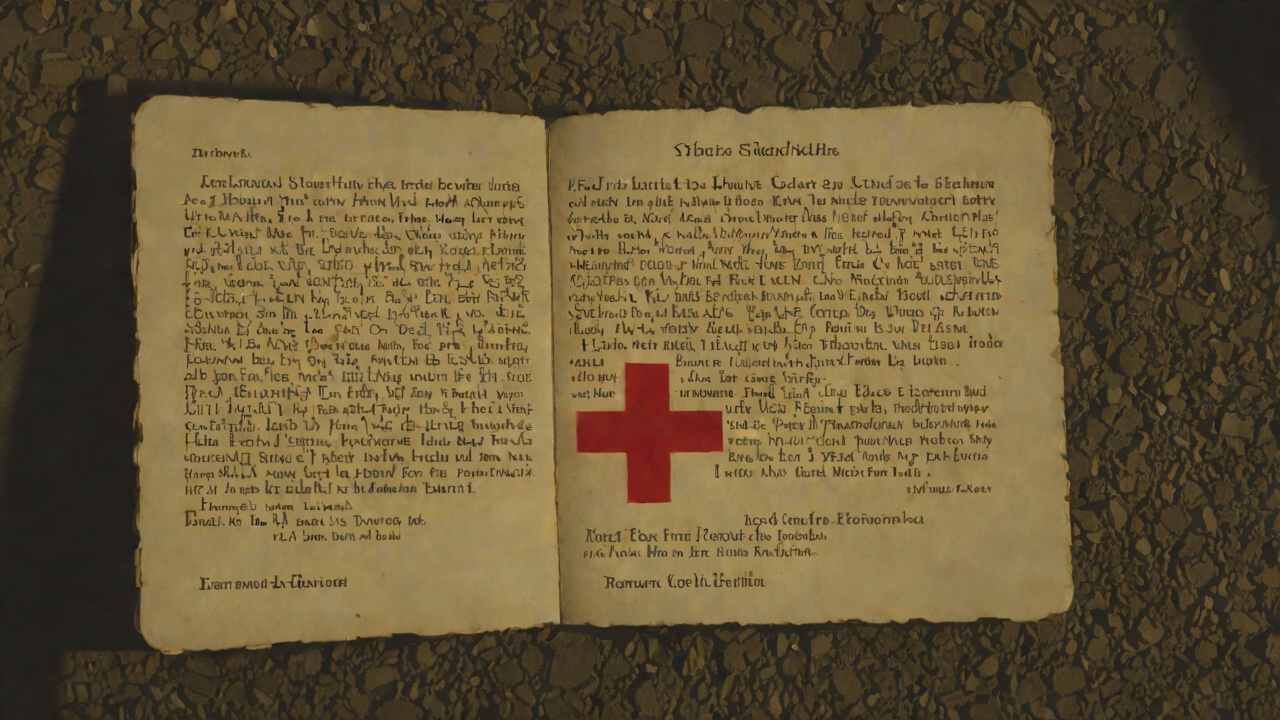
Red Cross Deception
Lale Sokolov learns from Stefan Baretski that prisoners will receive extra rations and blankets because the Red Cross plans to inspect the 'holiday camp.' He quickly understands that the visit will be carefully staged.
Cleaned and Fed for the Cameras
Baretski says only those the SS choose to show will be well-fed. Lale realizes the outside world may see a false image of the camp while the killing continues behind closed doors.
The Mask of Normalcy
The Red Cross deception reveals how the Nazi system can weaponize even humanitarian gestures. Lale's hopes that the world will learn the truth are delayed again.
Final Roll Call and Evacuation
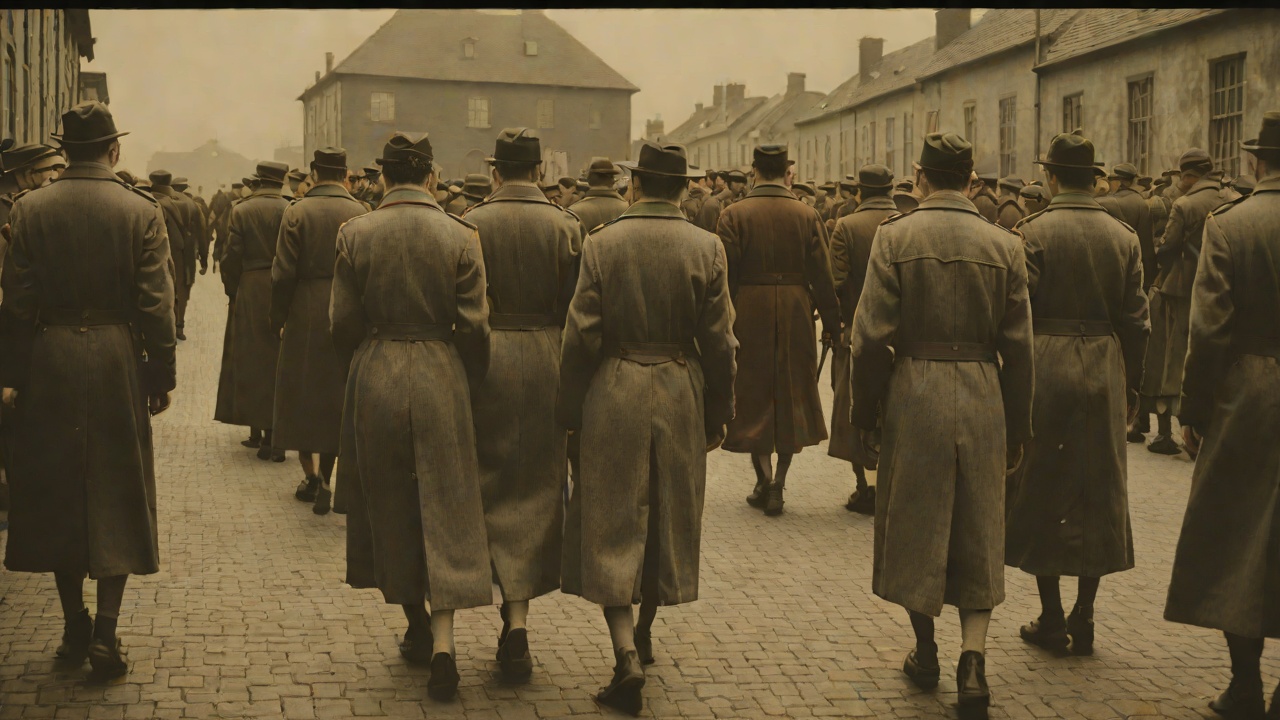
Final Roll Call and Evacuation
The SS enter every block and mark the women's coats with red slashes. Gita Furman, Dana, Cilka, and Ivana accept the marks as a sign that they will face their fate together.
The Gates Close
In the chaos, Lale Sokolov is knocked to his knees and separated from Gita. He hears her surname for the first time as she disappears through the gates. The roll call system that has regulated his life collapses into the snow.
The End of the Machine
The final evacuation is the death of the camp as a functioning system. Prisoners are marched or transported westward while the SS try to erase records. For those left behind, the future is suddenly uncertain but no longer completely hopeless.
April 1942, at the first Auschwitz arrival
March 1943, when Bella gives Lale a list of Z numbers
May 1943, at the Birkenau selection area
summer 1943, inside Block 10 at Auschwitz
summer 1943, before an announced Red Cross visit
late January 1945, when the SS empty Birkenau
